A Monthly Concert & Conversation Residency · New Guest Host Every Month
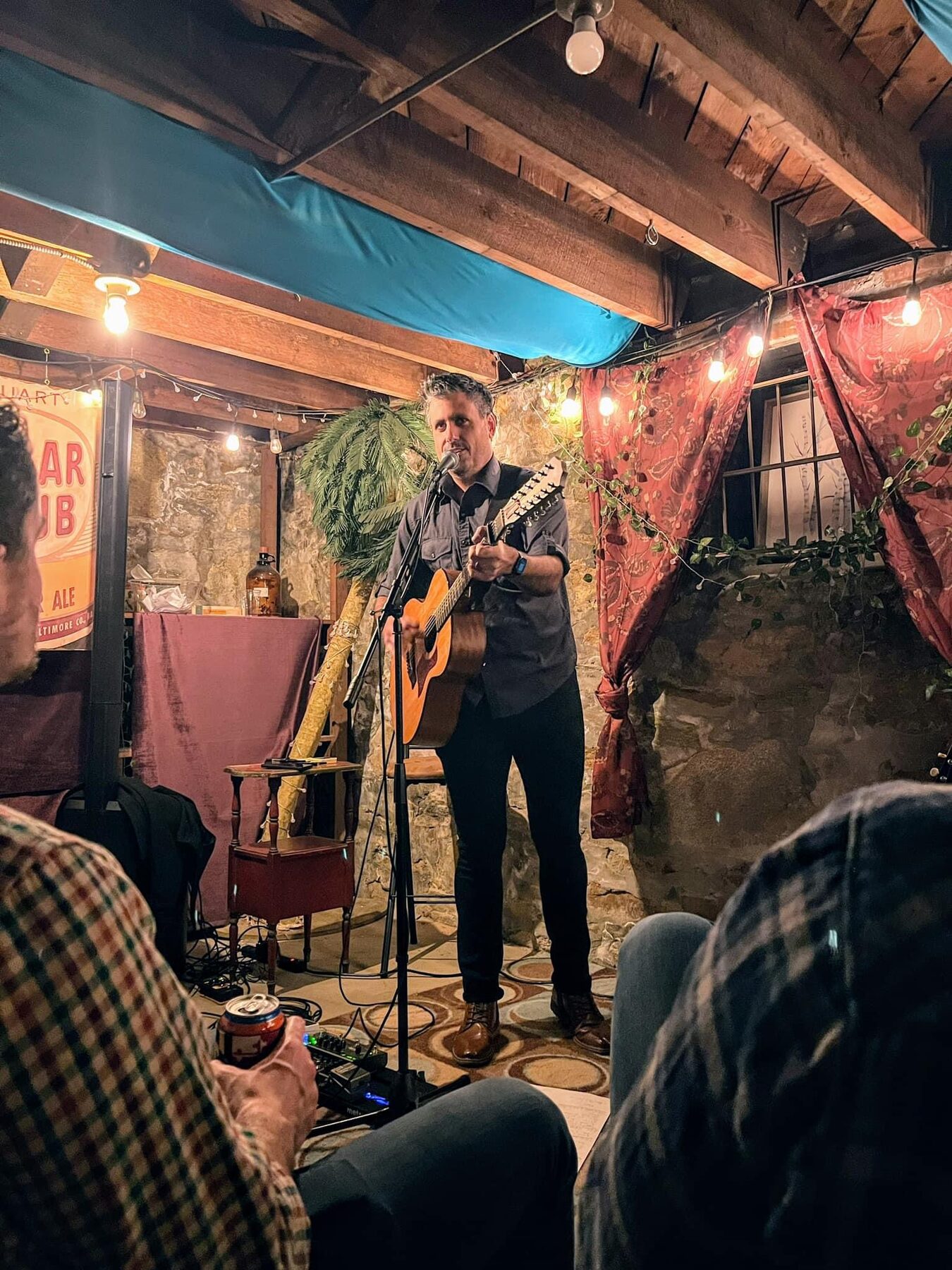
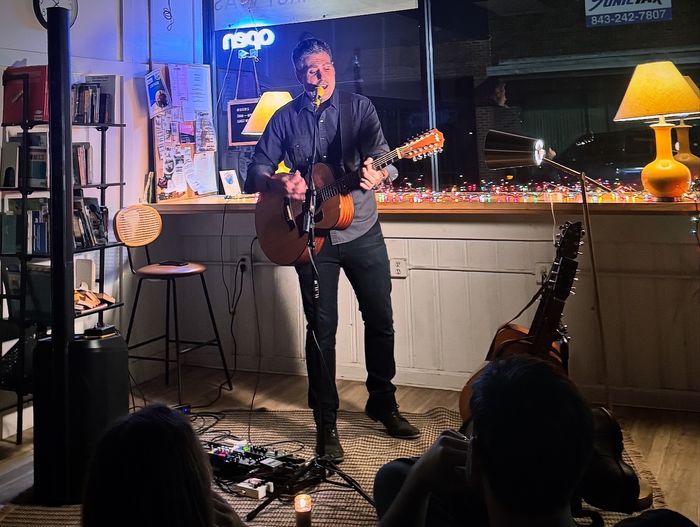
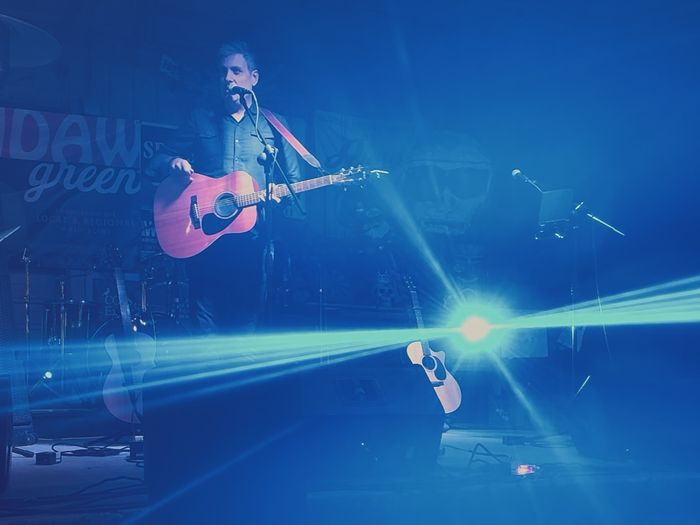
SESSIONS is a concert and a conversation at the same time. Two people on stage all night: Brody, and a guest host who picked the songs and wants to know what’s behind them.
A different host every month. They choose four or five songs, introduce each one and why it’s there, and stay in it for the full hour. The songs are the ground the conversation stands on. Most of the newer ones you can only hear in a room like this one.
Every audience leaves more connected to the music, the artist, the host, and themselves.
The theory of SESSIONS
The Format
No two nights are the same.
1
The Host Curates
Four or five songs from Brody's catalog, and the themes worth talking about.
→
2
Brody Plays Them Live
The songs the host chose, in the order they chose, played in full.
→
3
The Two of Them Dig In
What's behind the song, what it cost, what the host hears in it. The room is welcome in.
Brody and the guest host are both on stage the whole time.
What to Expect
A night, roughly
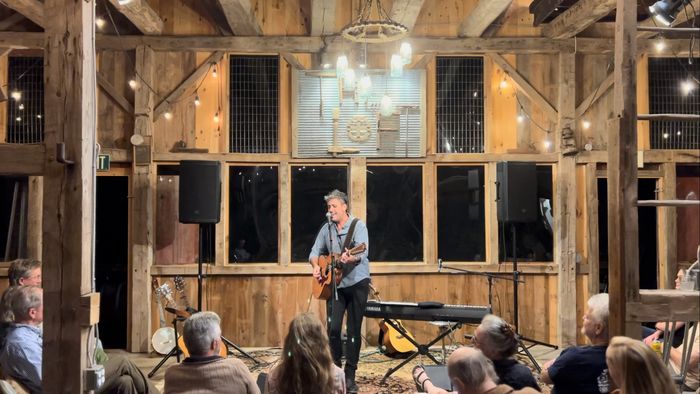
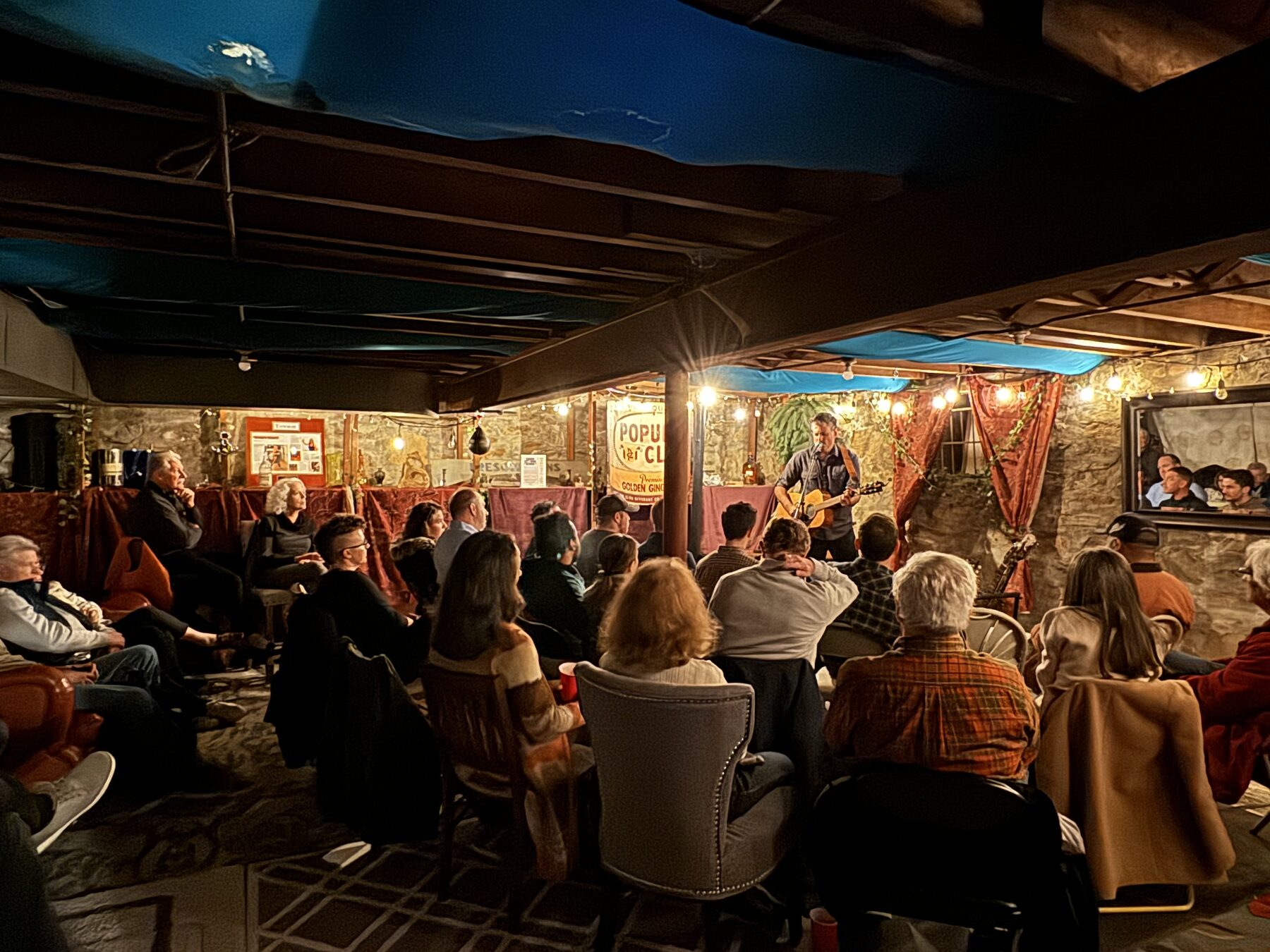
Every event feels completely different, but the 60-minute shape is the same. Four or five of Brody's songs, played in full, with the conversation running between them.
Where it goes is up to the host. One night might dig into why they chose these songs. Another might connect the songs to the host's own work, or press into the artistic process itself. The through-line is always the host's own curiosity, not just the artist's.
Doors, 7:00
Arrive, order food and a drink from the bar, and find a seat close in.
First song, 7:30
The host opens the night and the music begins.
A curated concert and conversation
The host leads a handful of songs and draws out the meaning and the questions between them, with the whole room invited in.
Conclude, 8:30
But stay as long as you like.
The Residency
Season One Guest Hosts
Second Thursdays · 2026
Brody plays every night. The host is what changes.
Sep 102026
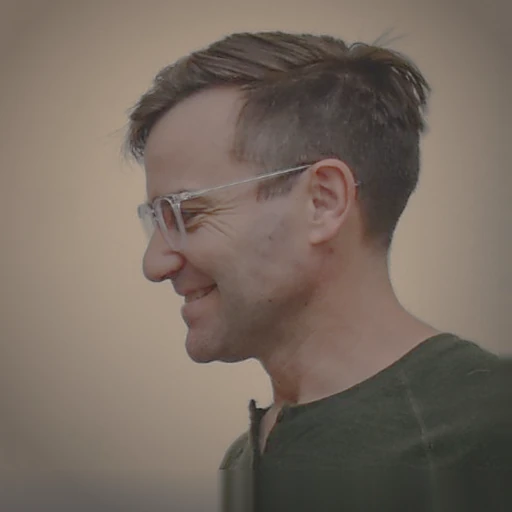
Guest hostScott BurkholderArtist Agent · Producer · CuratorAn artist agent, producer, curator, and career guide to dozens of working artists.More about Scott →
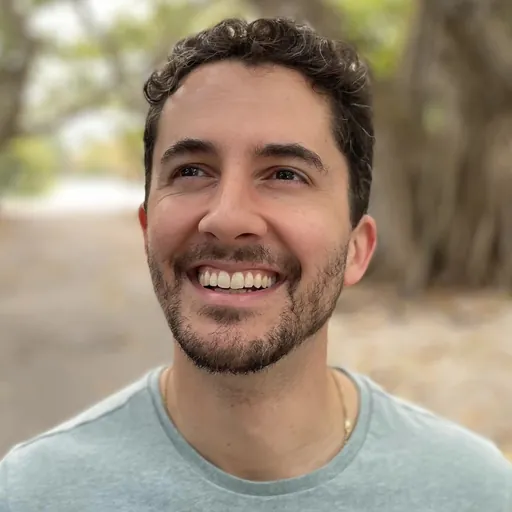
Guest hostEric A. ClaytonWriter · Speaker · Retreat LeaderAn award-winning writer, speaker, storyteller, and sought-after retreat leader.More about Eric →
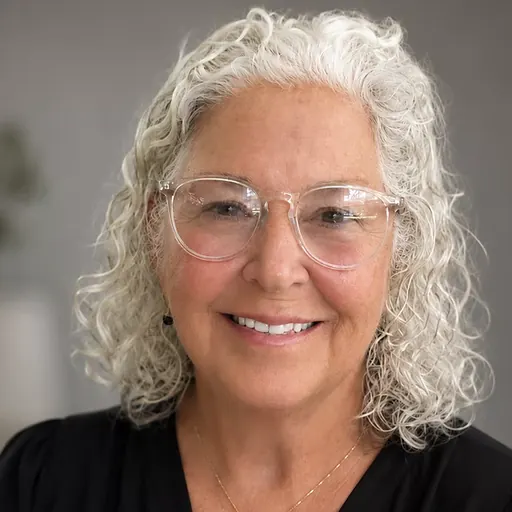
Guest hostBev GormanRegistered Nurse · Enneagram Teacher · Co-Active CoachCertified Enneagram teacher and Co-Active coach who works with individuals, couples, and organizations.More about Bev →
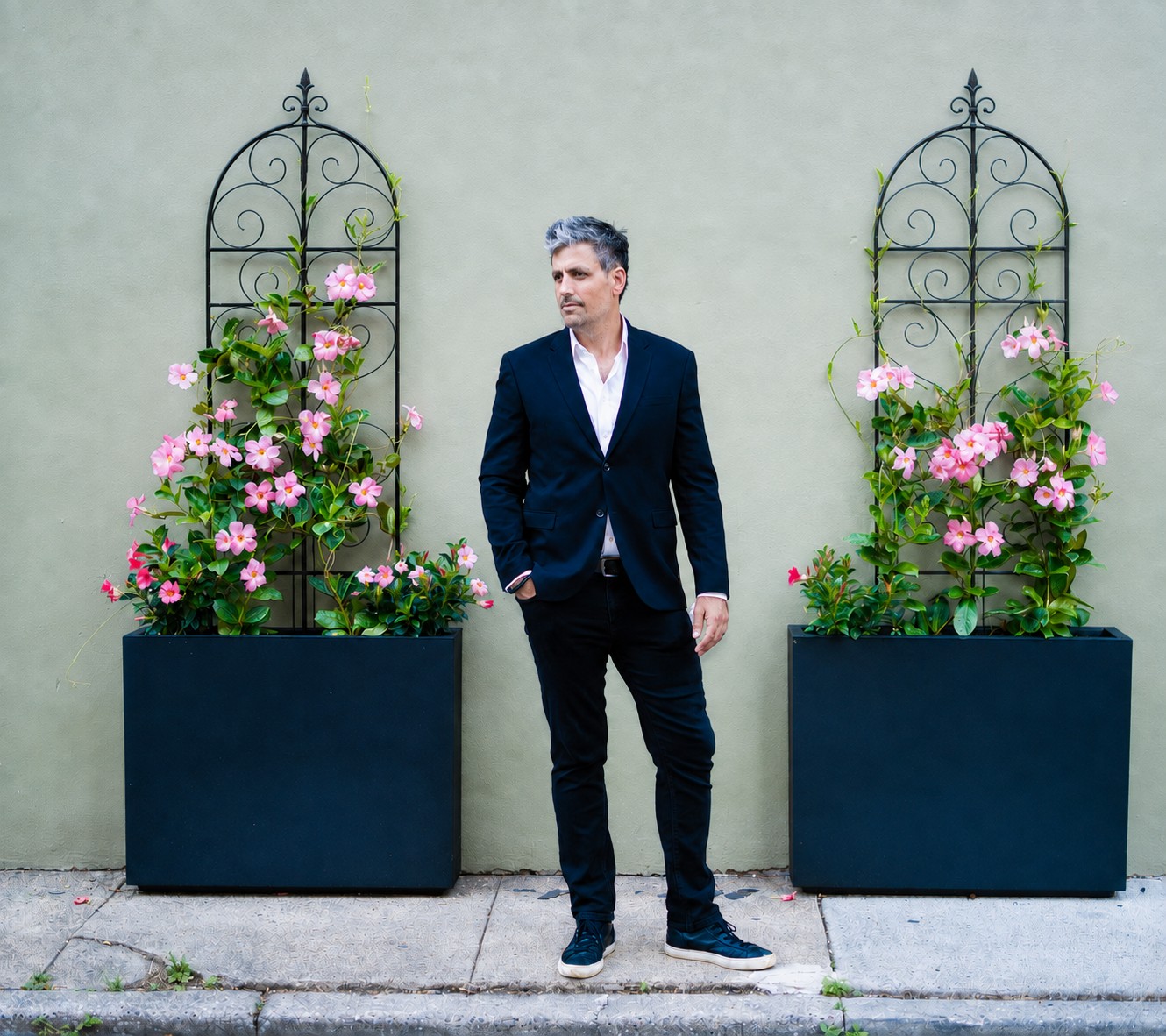
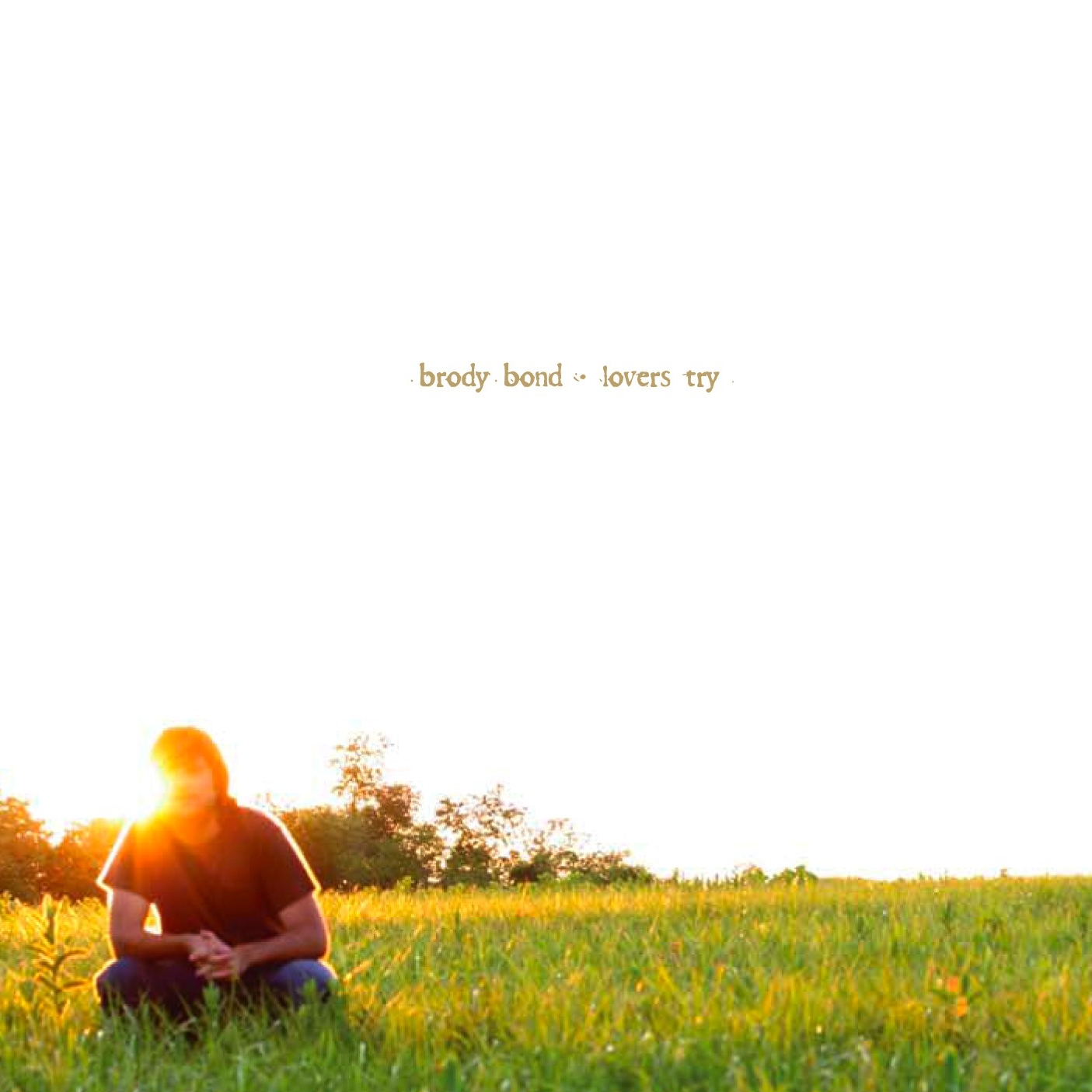
Brody Bond is a husband, father of four, executive creative consultant, and songwriter from Baltimore. His songs live between the daily love of family life and the harder hope of knowing what you can actually control.
The melodies surprise you; the lyrics are smart, spiritually curious, and unguarded. Off stage, Brody advises executive leaders on bringing their brands to life through operations, marketing, and customer experience.
Artist, executive, community leader, family man. It could read as four separate lives. Brody brings all of it into every room. His favorite performances are the small ones, close enough that the audience can talk back to the songs and to him. SESSIONS is built for exactly that.
202220252022202220242007
On Record
Hear the songs
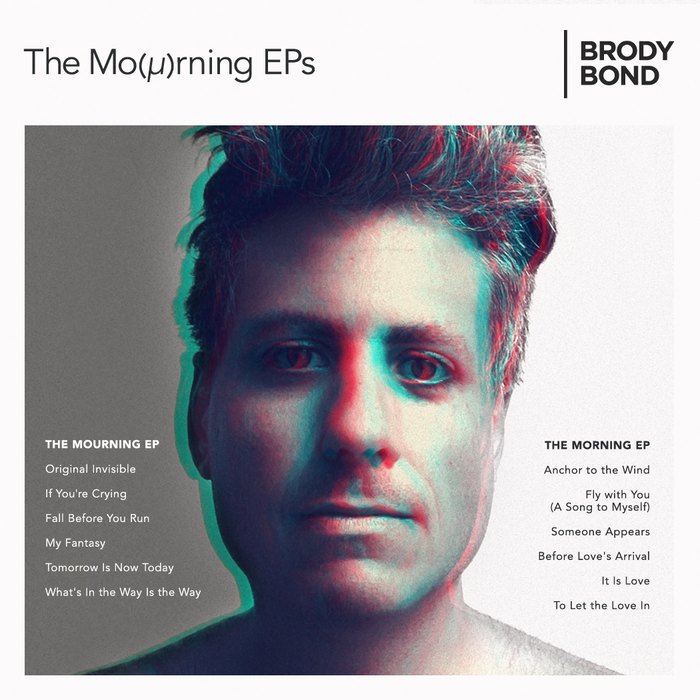
Brody isn't only a live act. Albums like The Mo(µ)rning EPs and a run of singles are out on every major service.
The records are the smaller half of the songbook, though. Of the 58 songs a host can choose from, 36 have never been recorded, and that includes everything written since 2023. For now, the only place to hear those is in the room.
The newest songs, with lyrics, are in the songbook →
The Invitation
Everyone Has a Part in the ExperienceWhen the room has a good night, everyone on stage does too.
For Audiences
You get
An evening of music and conversation, and songs you'll hear differently once you know what's behind them
Context for every song — where it came from and why the host chose it
An open invitation to join in, and no pressure if you'd rather listen
You provide
Your RSVP (free for now)
A bar tab, to support the venue
Curiosity about the songs, the artist, the host, and yourself
For Hosts
You get
A stage for your curiosity and leadership
Real time in dialogue with the artist
A chance to feature your own work and perspective woven through the night
Host resources: the songbook with thematic summaries and tips on how to approach your creative role
A custom invitation package built around you
You provide
A curated set list, with your willingness to walk us through why you picked the songs you did
Courage and curiosity in the conversation
Promotion to your own audience to attend
For Venues
You get
A professionally produced musical evening
For residency venues: reliable monthly booking, promotion included
New audiences from several networks at once
A custom promotional package built around you
A reputation as a room that backs the arts
You provide
Your space on performance night
Your channels, for co-promotion
Beyond the Residency
Why host your own SESSIONS event
The residency lives in Baltimore. The format travels. Anyone launching a book, a business, a practice, or a season tends to be stuck between talking about their thing and not talking about their thing. A SESSIONS night is the third option: you invite people to an evening that isn't you talking, and in shaping it you say more about your work than an hour of talking would. That's the whole gift of the guest host.
SESSIONS for…
Not on the list? The format bends. And if a straight concert suits your room better, Brody plays those too; ask for either. Start a conversation →
The people who won't come to a service will come to hear music.
A sermon has a shape everyone in the room can predict. This doesn't. You pick four or five songs that sit near whatever you've actually been wrestling with, and you ask the questions out loud, in a room where nobody has to land on an answer.
Songs about doubt, family, mortality, and grace do work a sermon can't, because nobody is being asked to accept anything. They're just listening. Listening is usually where it starts.
You're still leading the night. The invitation just sounds different, which means it reaches people your invitations don't.
People say yes to a concert. They leave knowing your work.
A launch event asks a room to sit still while you talk about yourself. Some people will. Most won't come at all.
So turn it around. You curate a set of someone else's songs, and in saying why you chose them you end up telling the room exactly what your work is about. The themes are yours. The night is yours. You're just not the one performing.
Your name is on the invitation, and people leave having felt the thing your work is about instead of having heard you describe it.
The same holds if you speak for a living. A SESSIONS night gives you a room where your ideas arrive through music and conversation rather than a talk people have already seen a version of.
Your clients have been to the dinner. This is the night they'll still talk about.
They'll remember the night their host got up, introduced a songwriter, and then led a real conversation about what the songs were getting at.
It shows range, which is the one thing a deck can't do for you. Clients see how you think. Your team sees you outside the role. And you get an evening with your people that doesn't feel like an event with a budget line attached.
It works for a launch, a milestone, a holiday party, or a room you just want to gather without an agenda on the screen.
Every program needs one thing on it that isn't another panel. This fits a sixty-minute slot, travels light, and arrives produced start to finish, so nobody on your team is managing a stage.
Hand the host role to a speaker you want to put forward and you've given them something better than a keynote slot. Or take it yourself and host the room.
Either way your attendees get music and an actual conversation in the middle of a day of slides.
A recurring music and conversation night pulls audiences from several directions at once: the host's people, the artist's people, and your own. Most of them have never been in your room before.
It comes produced and promoted. You give the space on the night and your channels for co-promotion. We handle the booking, the host, the performance, and the invitation package built around the evening.
Rooms that back the arts get known for it, and that reputation brings people back on the nights when nothing is on.
Take one song apart in front of students and you're teaching close reading, revision, metaphor, and nerve, all without opening a textbook. The questions do the work. Why this word. Why stop here. What was cut.
A faculty member, a department head, or a student can take the host chair. Handing it to a student is the version worth considering: they pick the songs and lead the questions, in front of their peers, with a working artist answering honestly.
It fits an assembly, a chapel slot, a writing seminar, a parents' evening, or an arts night, and it works for high school through graduate programs.
Neighbors who've waved for years, finally in the same room.
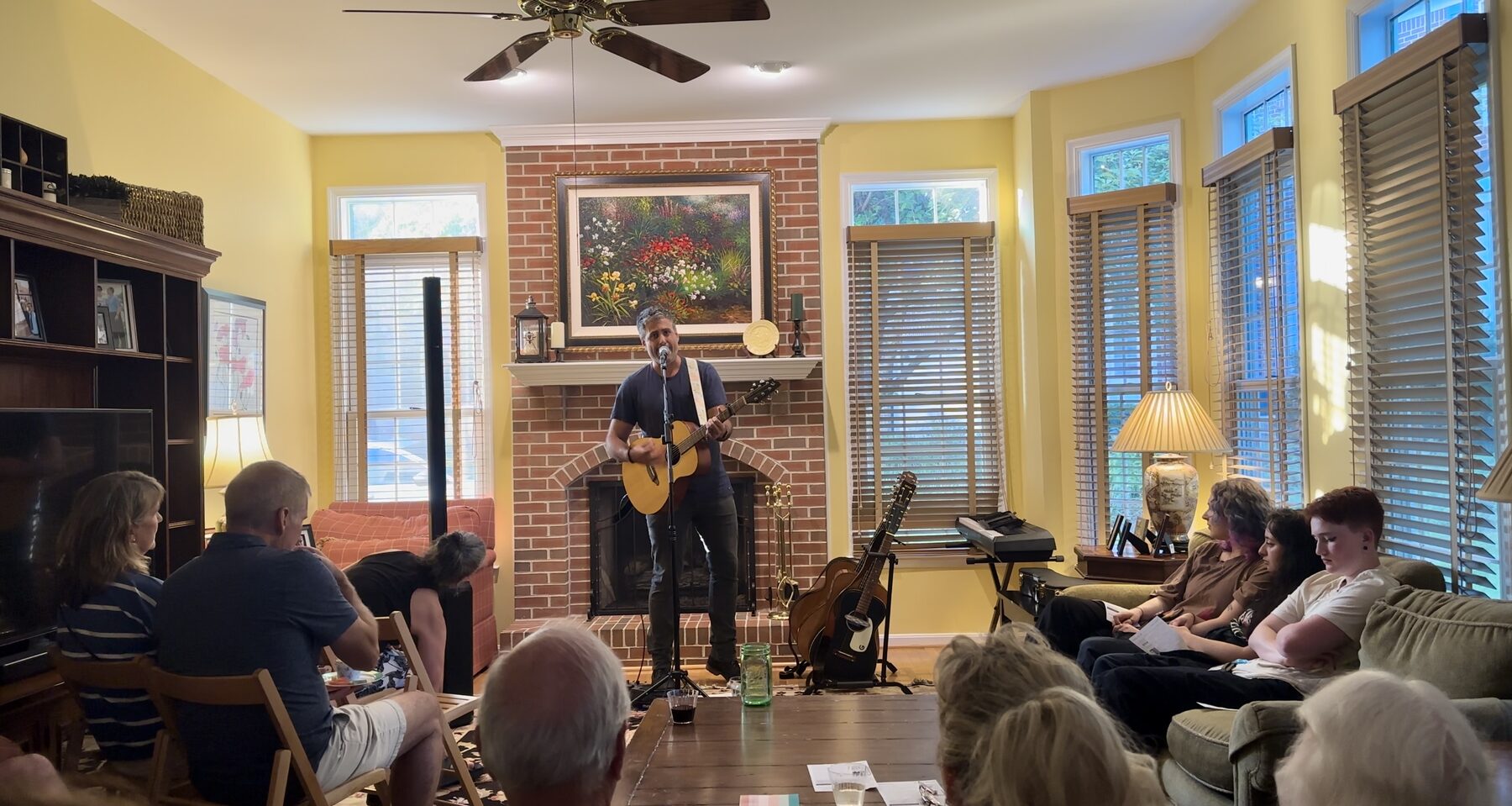
Block parties are loud and cookouts are for people who already know each other. An evening built on listening does something different: it gives a mixed group something to talk about that isn't the weather or the parking.
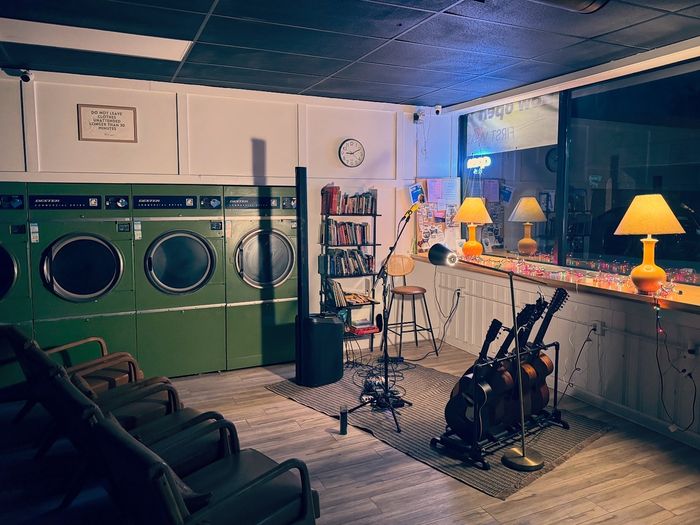
You don't need a venue. A living room, a porch, a back garden, a community room, a library. If there's a place to sit and somewhere to plug in, it works.
Whoever hosts gets to shape what the night is about, which is a quiet way to say something true about the place you all live in without giving a speech about it.
Museums, libraries, historical societies, arts councils, community foundations. You already have rooms people love and a membership you'd like to see more often. What's usually missing is a reason to come on an ordinary Thursday.
Put your director, a curator, a board member, or a local figure in the host chair. They pick the songs and lead the conversation, and the evening ends up being about what your organization actually cares about rather than what it needs.
It programs cleanly around an exhibition, a season launch, a donor evening, or a volunteer thank-you, and it travels to your space rather than asking you to build a stage.
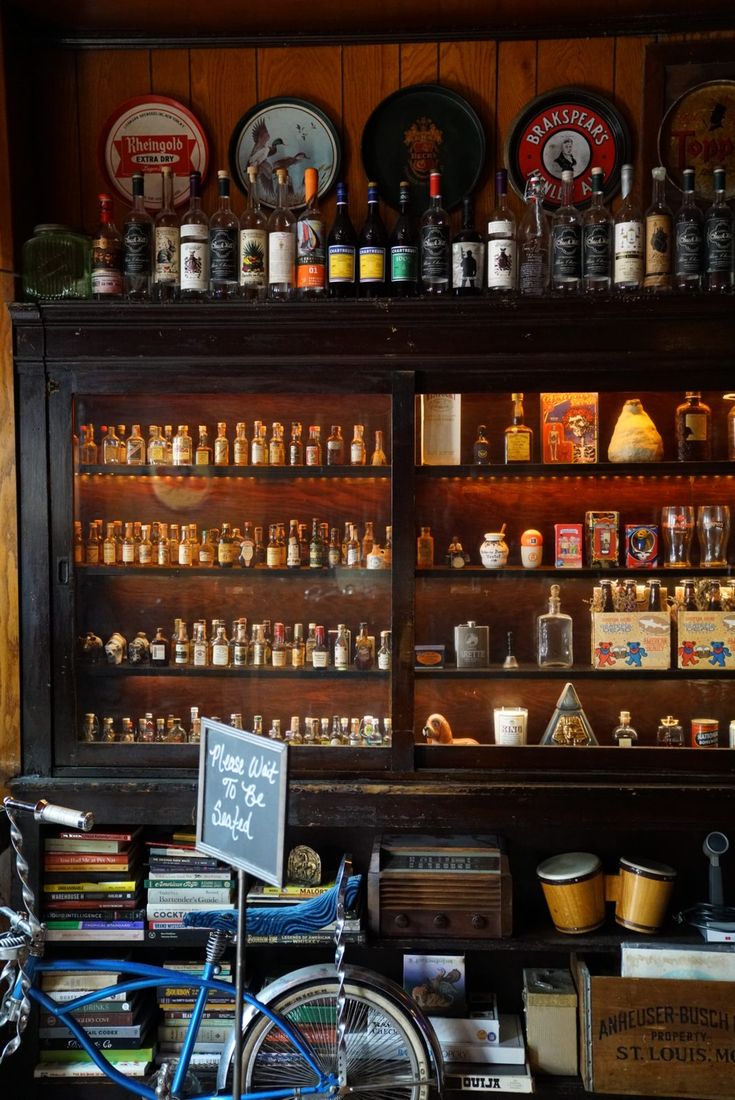
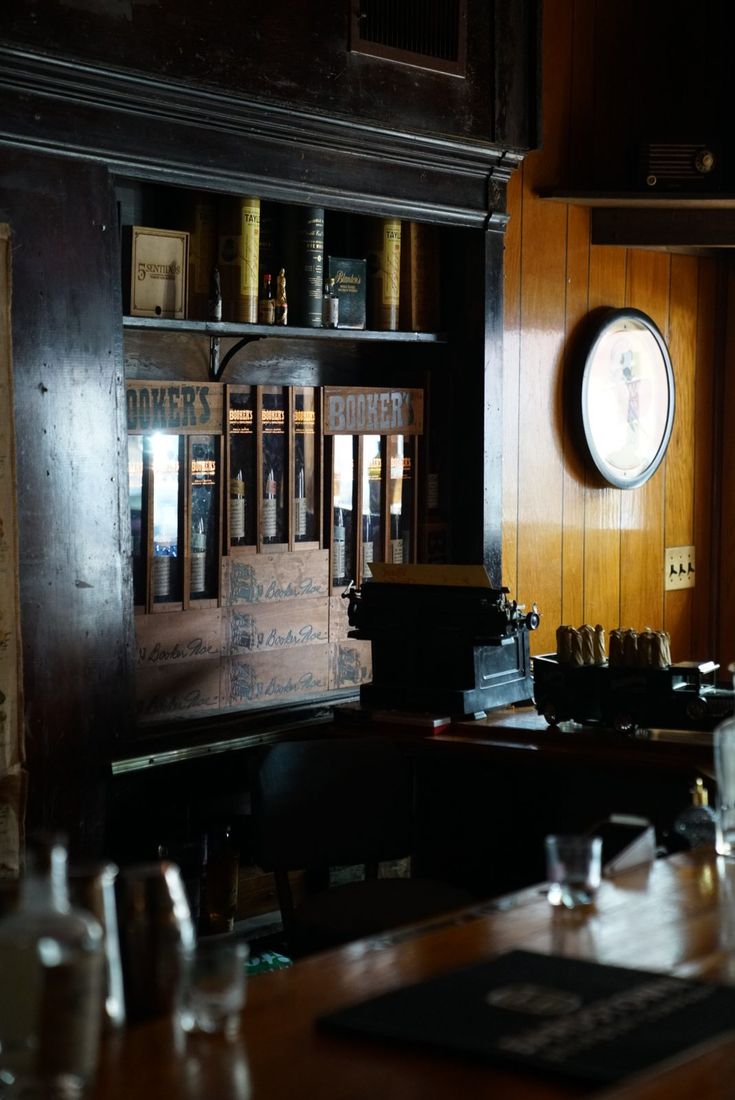
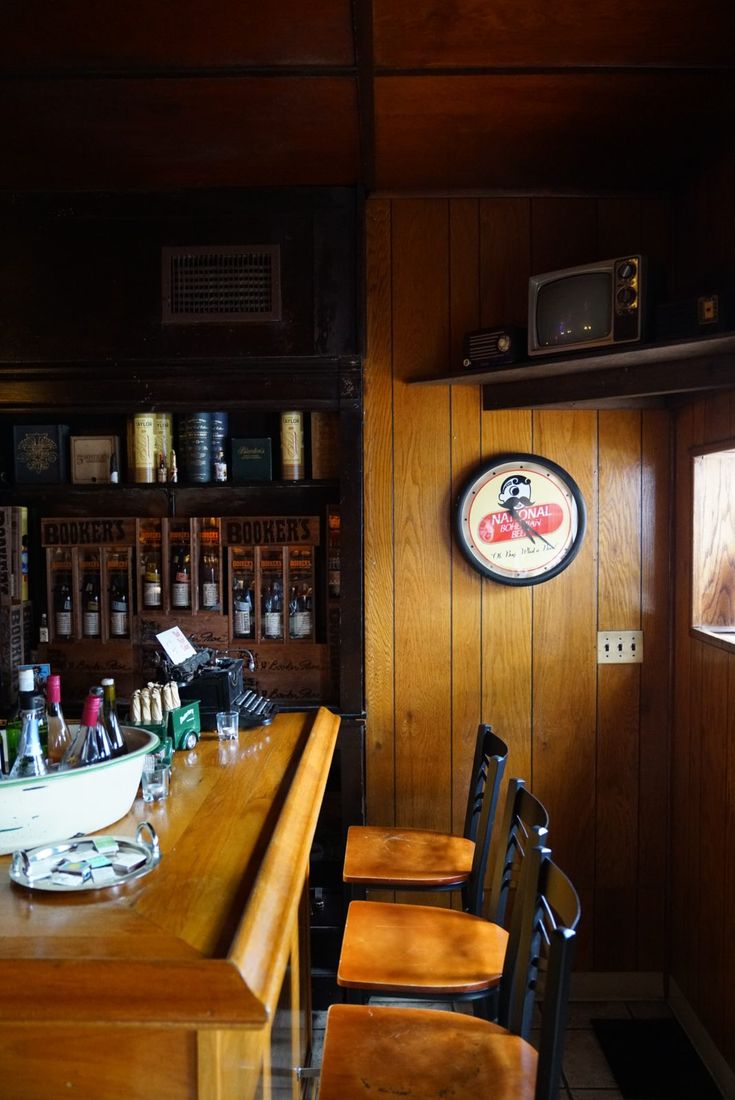
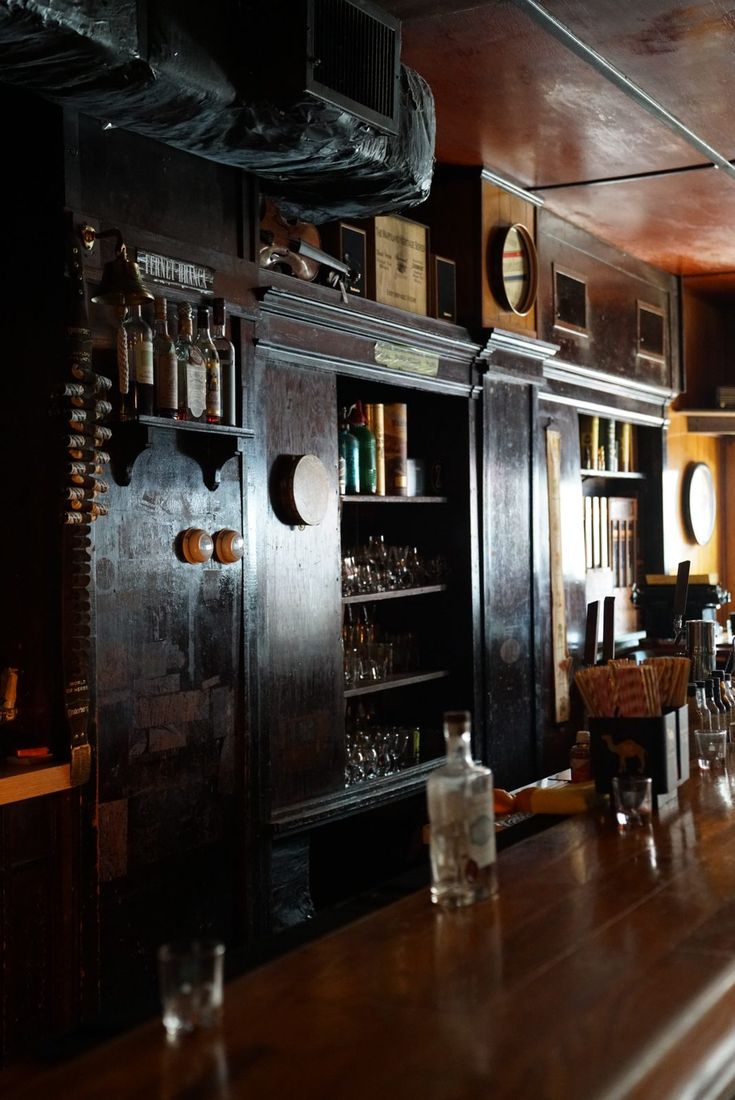
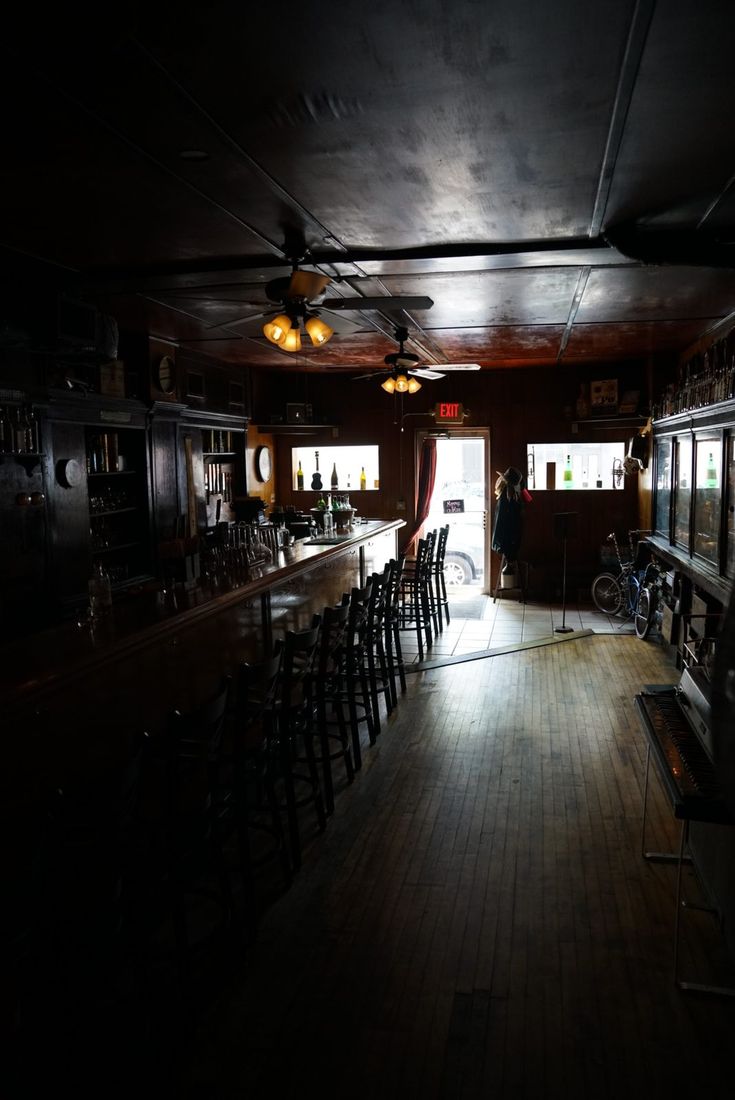
A martini bar in Fells Point, opened in 2026 in the old Greyhound Tavern by Matthew Steinberg, who also runs Meander Art Bar. The room is full of antiques, old instruments, and a few thousand records, and the vinyl is usually going. It was built for people who came to talk to each other, which is most of what SESSIONS needs.
Address1822 Fleet St, Baltimore, MD 21231
Getting thereIn the heart of Fells Point, about 10 minutes from the Inner Harbor.
Most of this holds wherever SESSIONS happens. Where the Baltimore residency and a booked event differ, both answers are here.
Is it free to attend the residency events?
Yes, for now. An RSVP helps us plan the room, and a bar tab keeps the venue glad to have us. RSVP for a night.
What actually happens on the night?
An hour of original songs and conversation from the stage, between the host and Brody — and sometimes with the audience, too — all shaped by that night's host. The host is on stage with Brody for the full hour, not introducing and stepping off. It's stage-led, so you can settle in and just take it in. See a night, roughly.
The format is the same wherever it happens. A booked event in your own space runs the way a residency night runs; only the room and the host change.
Is there food and drink?
At the residencyDrinks, yes, and a short menu from the kitchen. NEATFREAK! is a martini bar at heart, with wine and rare spirits alongside bar food like hot dogs, olives, and popcorn. Grabbing something from the bar also helps support the venue.
At your own eventWhatever your space already does. Plenty of hosts pair the night with a bar, a table, or nothing at all.
Do I need to know Brody's music first?
Not at all. Come cold. Most of the songbook isn't on a record anyway: 36 of the 58 songs have only ever been played live, so the room is usually hearing them the same way you are. If you want a head start, the whole songbook is here with lyrics.
Where can I find out more about Brody and his songs?
At brodybond.com: his music and streaming links, upcoming shows, and songwriting workshops. His records are also linked in Hear the songs above. His executive creative consulting work lives at coriosity.com.
Can I bring people?
Please do. These nights are best when the room is full of people who came together. Bring the friend who never comes to things.
Can I bring SESSIONS to my space?
Yes. SESSIONS travels to venues, schools, congregations, conferences, offices, and living rooms, and it comes produced start to finish. Have a look at why people host their own to see what it does for your particular room, then start a conversation and we'll work out the shape of it together.
Can I book a concert instead?
Yes. SESSIONS is one of the things Brody does; a concert is the other. If your room wants the songs without a host and a conversation, say so when you write and we'll shape the night that way. His upcoming shows are listed at brodybond.com.
Can I be a host?
At the residencyQuite possibly. Residency hosts are usually invited, but we're always glad to meet someone who'd bring real curiosity to a night. If curating a handful of Brody's songs and leading the conversation sounds like you, start with the host guide, then tell us a little about yourself and what you'd want to explore.
At your own eventNo invitation needed. If you've got a room and people to fill it, you can host. Email management@brodybond.com and we'll take it from there.
Bring SESSIONS to Your Space
SESSIONS is built to travel. Bring it to your venue, conference, church, living room, or office, and platform yourself or another leader alongside a live performance. It is a way to make a genuinely memorable night for your community.